May 7, 2026
An overview of the housing industry reveals two popular options for home buyers: modular and manufactured homes. Understanding their differences is crucial for making an informed decision. With the housing market evolving rapidly, these alternatives offer unique benefits and challenges. Both modular and manufactured homes cater to different needs, budgets, and lifestyles, making them significant options in the real estate sector.
Definitions and Basic Concepts
What are Modular Homes?
Modular or prefabricated homes are constructed in sections or modules within a factory setting. Each module is built to high standards, ensuring that the home will be robust and energy-efficient. Once completed, these sections are transported to the home site, where they are assembled on a permanent foundation. This method of construction allows for significant time savings compared to traditional on-site building methods. According to World Metrics, the U.S. modular homes market is projected to reach $83.2 billion by 2030, growing at a CAGR of 12.1% from 2023 to 2030.
What are Manufactured Homes?
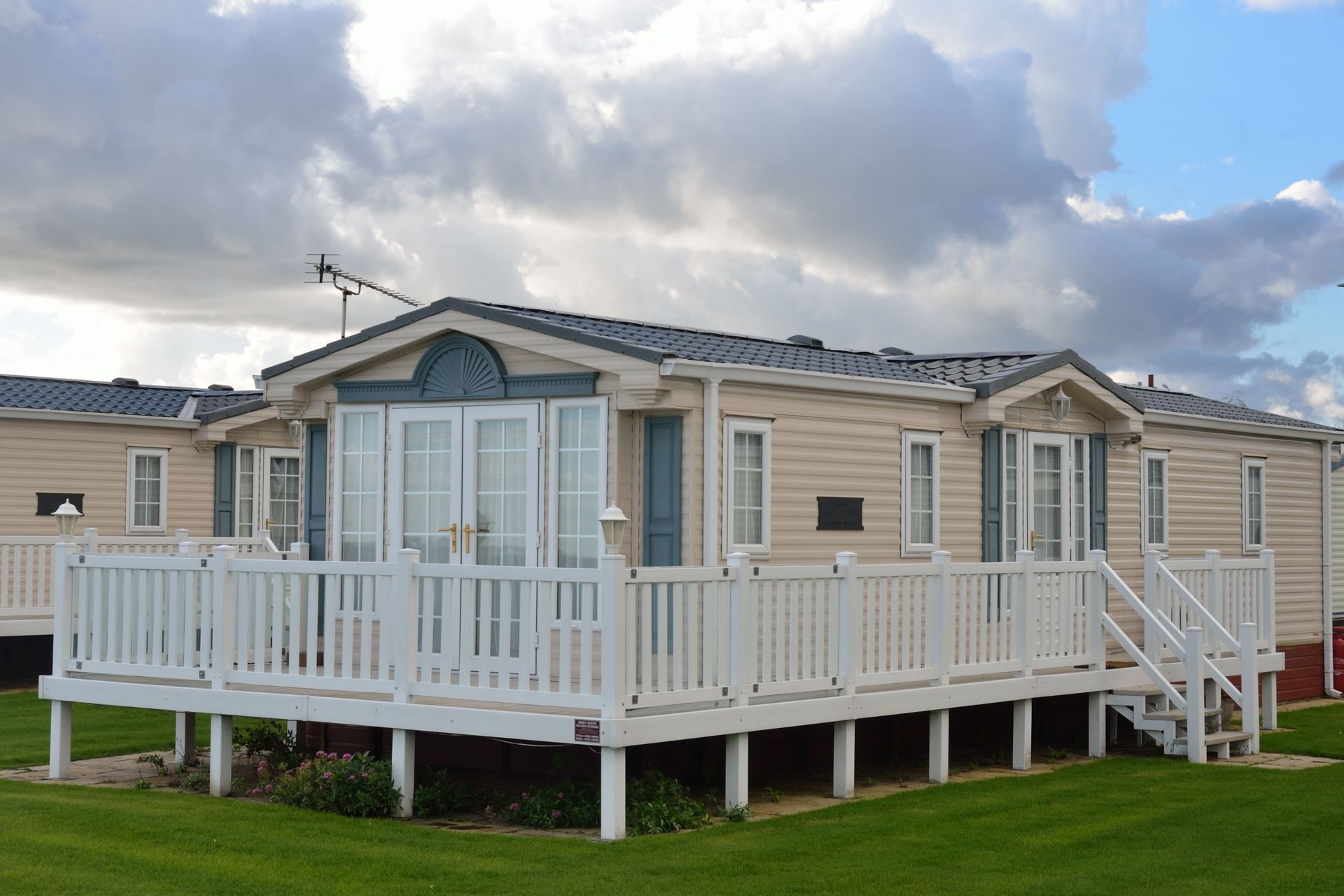
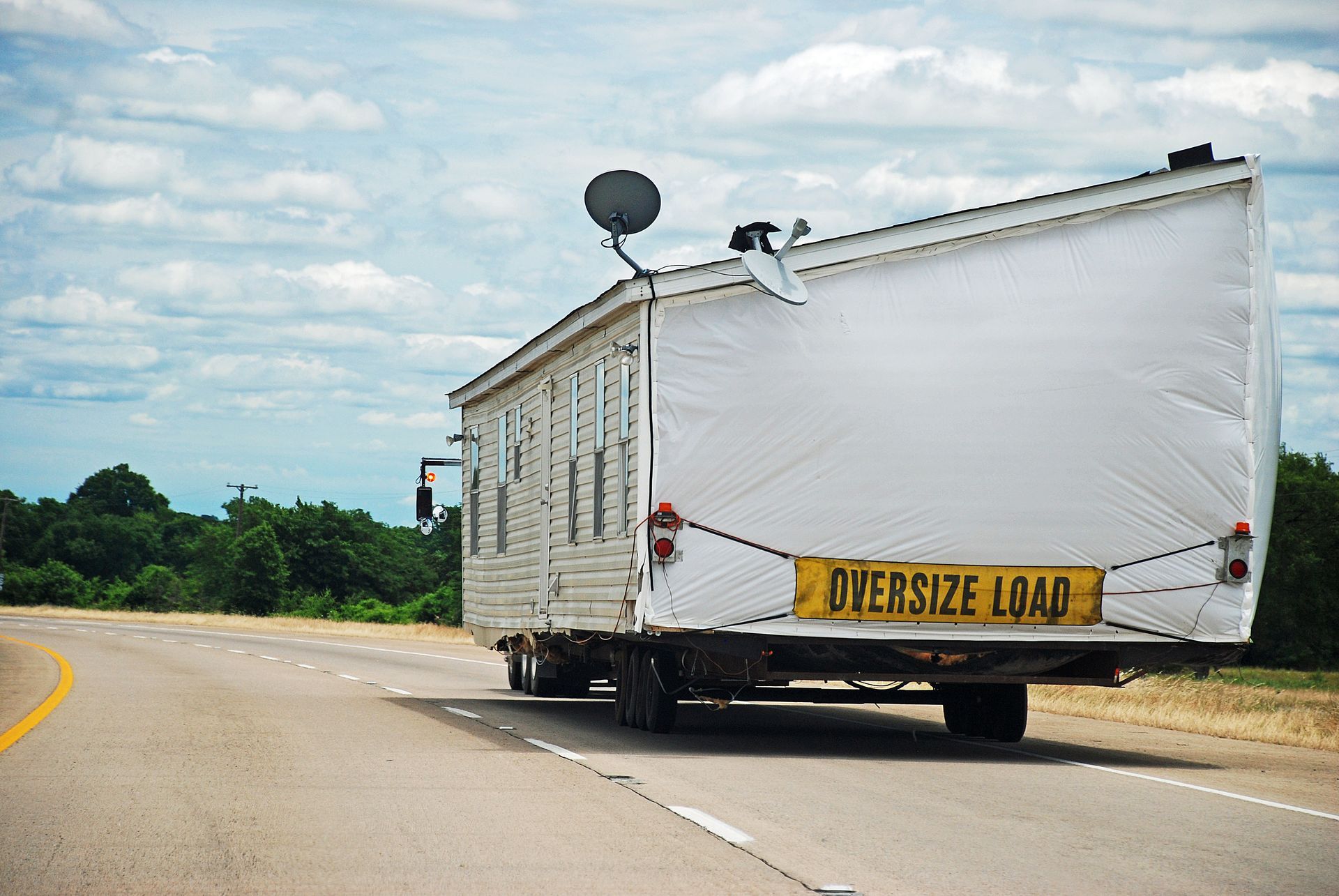
Manufactured homes, often referred to as mobile homes, are entirely constructed in a factory before being transported to their final location. Unlike prefabricated homes, they are built on a permanent steel chassis, which allows them to be moved if necessary. These homes are designed to comply with the federal HUD Code (Housing and Urban Development), which dictates standards for design, construction, and safety. Manufactured homes are typically less expensive than prefabricated homes, offering an affordable housing solution for many families. Despite their affordability, they offer many of the same modern amenities and features as traditional homes.
Construction Process
Factory Construction
Factory construction is a hallmark of both modular and manufactured homes, offering a controlled environment for building. This method reduces the impact of weather conditions, ensuring consistent quality and reducing construction delays. The factory setting allows for the use of advanced machinery and technology, which can enhance precision and efficiency. Workers in these factories are often specialized, focusing on specific tasks to improve productivity. This results in homes that are built faster and with fewer errors compared to traditional construction methods.
On-Site Assembly
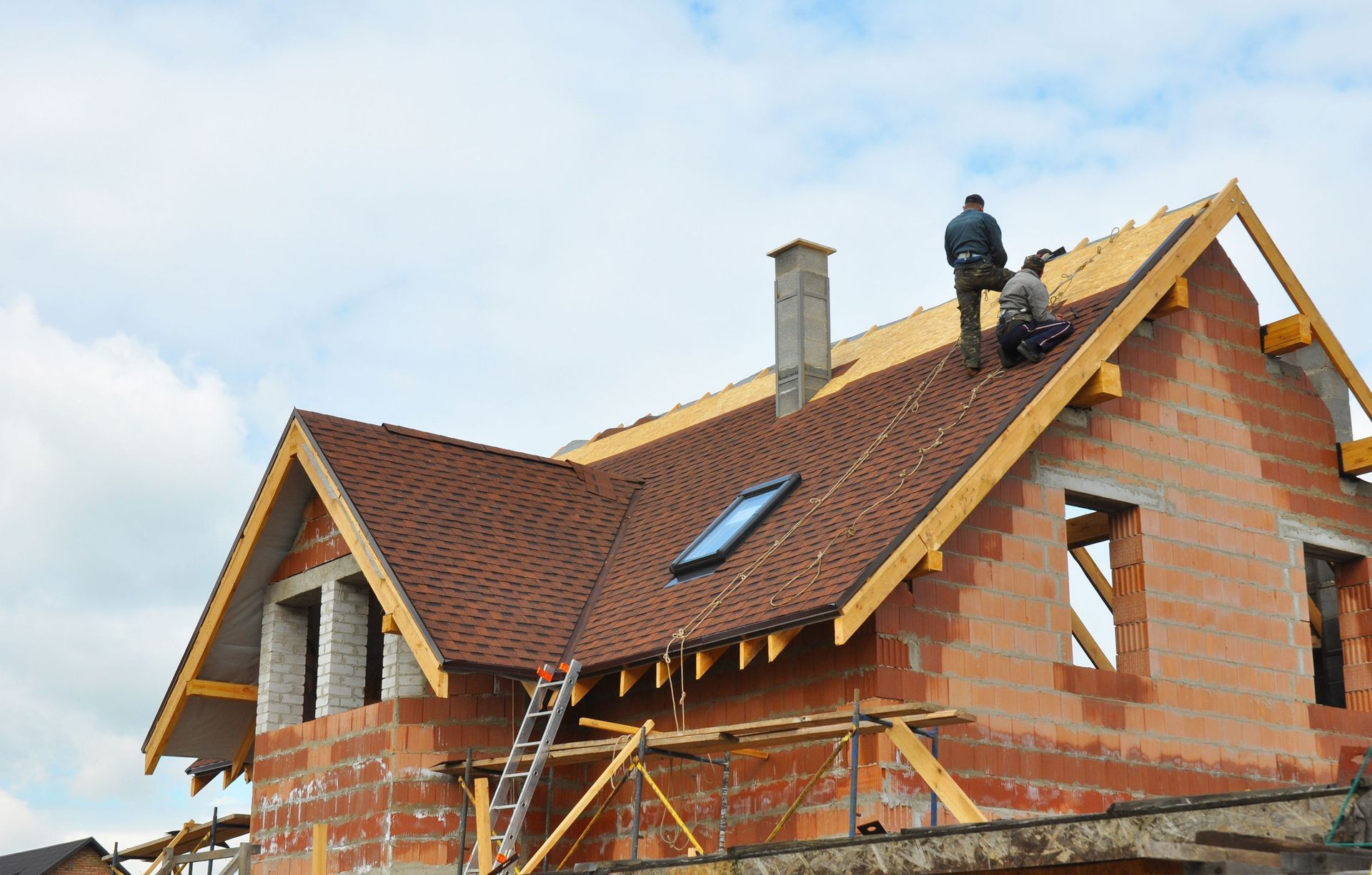
Once the modules of a modular home are complete, they are transported to the site for assembly. This process involves setting the modules onto the foundation and securing them together. On-site assembly is usually swift, taking just a few days to complete. This contrasts with manufactured homes, which are already fully constructed and only require placement on the site. Both processes minimize site disruption and reduce the environmental impact compared to traditional building methods.
Quality Control Measures
Quality control is a critical component of the construction process for both modular and manufactured homes. In a factory setting, stringent checks are in place to ensure each component meets high standards. This includes inspections at various stages of construction, from the initial framework to the final finish. The controlled environment helps maintain consistency and quality, essential for the home's longevity. These measures are often more rigorous than those for traditional homes, contributing to the growing popularity of prefabricated housing.
Cost Considerations
Initial Investment
The initial investment for modular and manufactured homes is generally lower than for traditional site-built homes. Modular homes tend to be more expensive than manufactured homes due to their construction methods and adherence to local building codes. However, they still offer savings compared to traditional homes, particularly in terms of construction time and labor costs. Manufactured homes are often the most affordable option, providing a cost-effective solution for those on a tight budget. The lower initial investment makes both types of homes accessible to a wider range of buyers.
Financing Options
Financing options for modular and manufactured homes can differ significantly, impacting their affordability. prefabricated homes, being similar to traditional homes in terms of construction, often qualify for conventional mortgage loans. This can result in lower interest rates and longer repayment terms. Manufactured homes, however, may require specialized financing options, such as chattel loans, which can have higher interest rates. Understanding the financing options is crucial for buyers to make an informed decision and secure the best possible terms.
Location and Zoning
Zoning Regulations
Zoning regulations play a crucial role in the placement and construction of modular and manufactured homes. Modular homes, being similar to traditional homes, must comply with local zoning laws, which can impact their placement and design. Manufactured homes, while subject to the HUD Code, may face additional zoning restrictions, particularly in urban areas. Understanding these regulations is essential for buyers to ensure their chosen home can be placed in their desired location. Compliance with zoning laws ensures a smooth construction process and avoids potential legal issues.
Site Preparation Requirements
Site preparation requirements for modular and manufactured homes differ due to their construction methods. Prefabricated homes require a permanent foundation, similar to traditional homes, which involves site clearing, grading, and foundation installation. Manufactured homes, with their steel chassis, may only require a prepared site or pad for placement. Both types of homes benefit from level, well-drained sites to ensure stability and longevity. Proper site preparation is crucial for the successful installation and performance of these homes.
Land Ownership Issues
Land ownership issues can impact the placement and financing of modular and manufactured homes. Modular homes, with their need for a permanent foundation, typically require land ownership or a long-term lease. Manufactured homes, being more mobile, may be placed on leased land or in manufactured home communities. Buyers should consider the implications of land ownership on financing, taxes, and long-term value. Understanding these issues helps buyers make informed decisions about their investment and plans.
Longevity and Durability
Material Quality
Material quality is a key factor in the longevity and durability of modular and manufactured homes. Prefabricated homes, built to local building codes, often use high-quality materials comparable to those in traditional homes. This ensures a robust structure that can withstand various environmental conditions. Manufactured homes, while built to different standards, have also seen improvements in materials, enhancing their durability. Both types of homes are designed to provide long-lasting and reliable living environments.
Weather Resistance
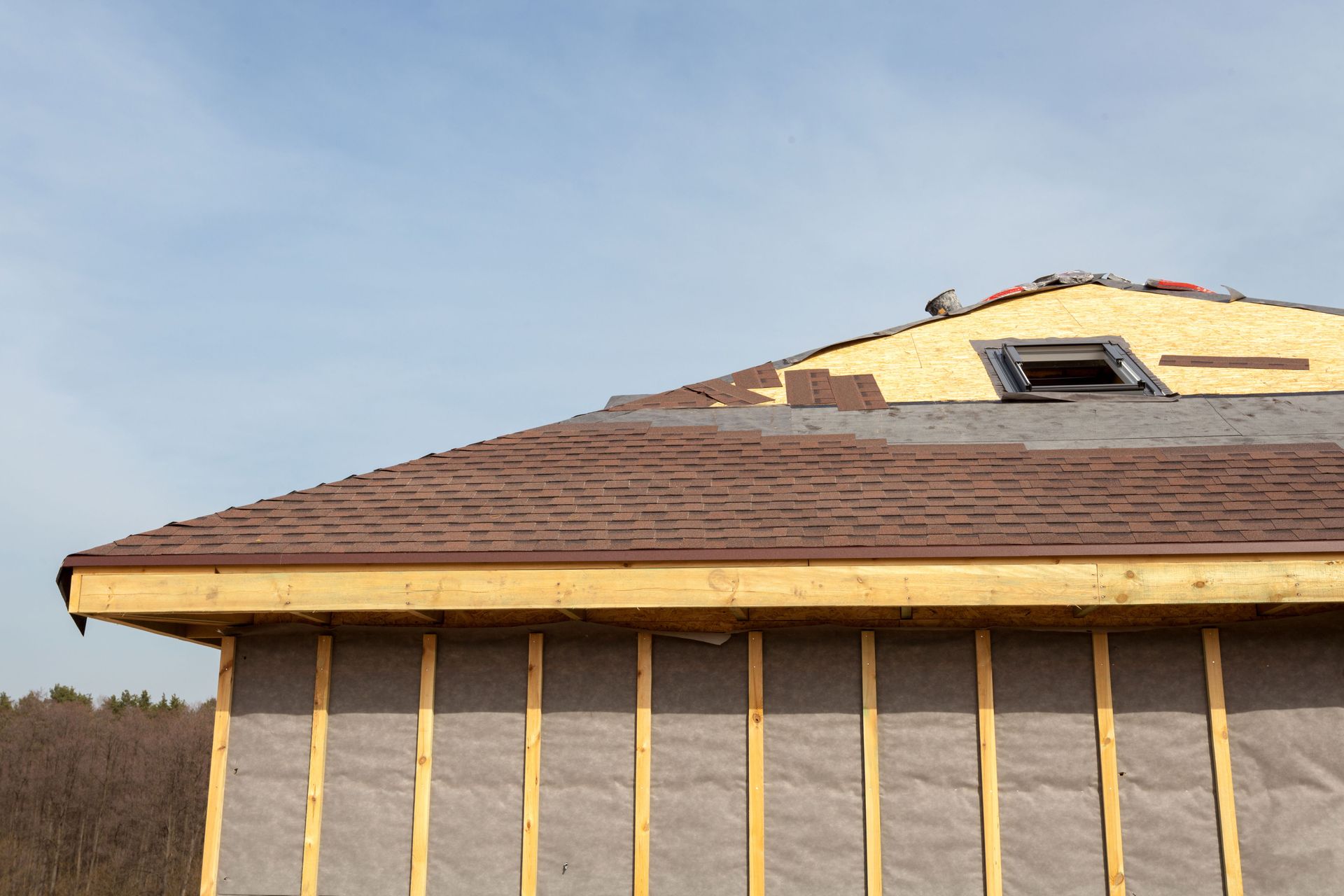
Weather resistance is an important consideration for modular and manufactured homes, affecting their performance and longevity. Modular homes, with their sturdy construction and high-quality materials, offer excellent weather resistance, protecting against elements such as wind, rain, and snow. Manufactured homes, while traditionally less resistant, have improved in design and materials, offering better protection against the weather. Both types of homes can be enhanced with additional features, such as storm shutters and reinforced roofs, to increase their resilience. Ensuring weather resistance is crucial for the safety and comfort of residents.
Structural Integrity
Structural integrity is a critical aspect of both modular and manufactured homes, ensuring their safety and longevity. Prefabricated homes, built to strict building codes, offer robust structural integrity comparable to traditional homes. Manufactured homes, while built to different standards, have also improved in design and construction, providing reliable structural performance. Both types of homes undergo rigorous quality control measures during construction, ensuring they meet necessary safety standards. Structural integrity is essential for the long-term value and safety of these homes.
Choosing between modular homes and manufactured homes requires careful consideration of various factors, including cost, design, and location. Understanding these key differences can guide potential homeowners toward the best decision for their needs and lifestyle. Both types of homes offer unique benefits and challenges, making them significant options in the housing market. As the demand for affordable and efficient housing grows, modular and manufactured homes are expected to play an increasingly important role. By considering all aspects, buyers can make informed decisions and find a home that meets their needs and preferences.
Build smarter and move in sooner with a custom-designed home tailored to you. Reach out to Heritage Modular Homes for a consultation.