June 9, 2026
The growing popularity of modular homes has made it crucial for prospective buyers to understand the various financing options available to them. With the unique circumstances surrounding modular homes compared to traditional homes, navigating the financial landscape successfully can be challenging. This article aims to provide a comprehensive guide on the available financing options for this housing type, helping potential homeowners make informed decisions.
Understanding Modular Homes
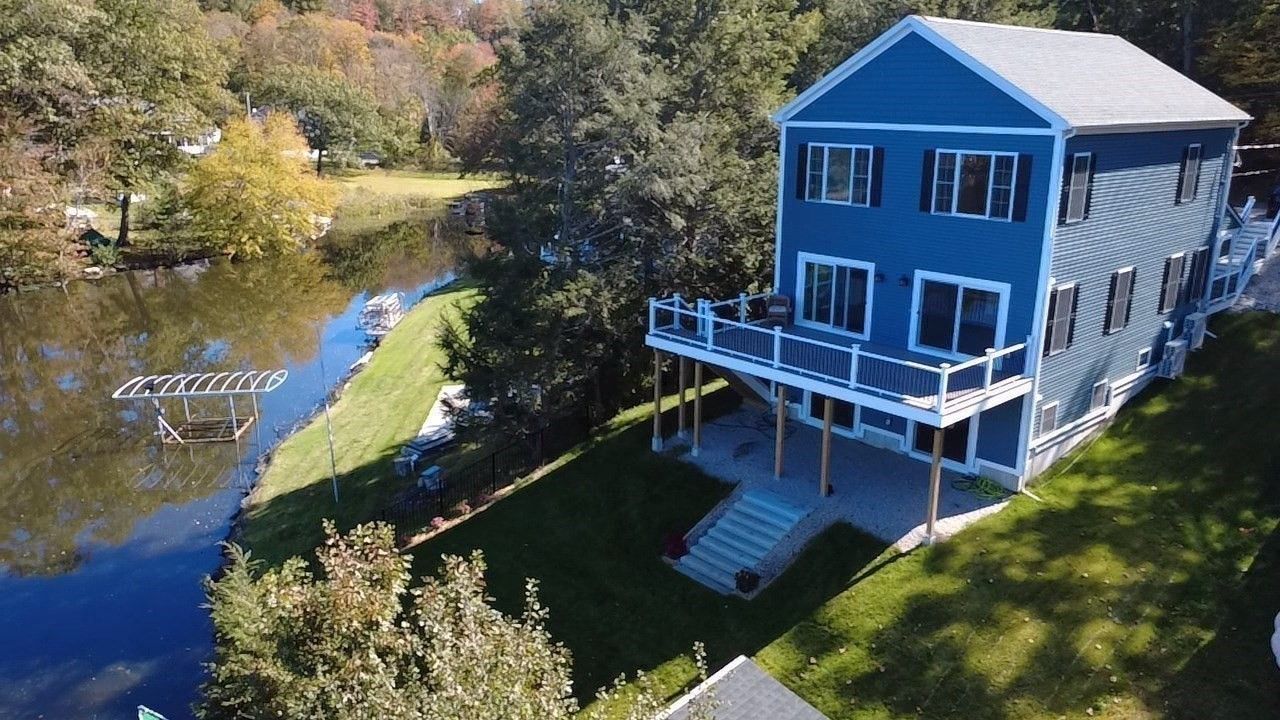
The concept of a modular home is centered around the prefabrication process, where homes are built off-site in controlled factory environments before being transported for assembly at the final location. This modern construction technique offers significant advantages in terms of quality control and a shortened construction timeline. Unlike mobile or manufactured homes, these structures adhere to the same stringent local, state, and regional building codes as site-built homes. These structural and legal distinctions mark a modular home as a reliable, permanent, and innovative housing solution.
Key differences between modular and traditional homes include the method and location of construction. Modular homes are built in sections or modules in a factory-controlled setting, whereas traditional homes are constructed on-site from start to finish. This difference allows modular builders to avoid potential quality issues related to weather delays and uncontrolled environmental factors that traditional builds might face. Additionally, modular construction often results in less material waste, aligning with sustainability goals that many new homeowners prioritize. According to World Metrics, 60% of millennials in the U.S. prefer modular homes over site-built, citing sustainability and affordability.
The construction and quality aspects mean that buyers often receive homes with consistent craftsmanship and materials that are free from outdoor weather influences during their construction phase. The factory setting allows for precision using machinery and consistency in labor practices, often leading to enhanced quality control. Many homeowners also find that these properties provide an impressive degree of durability and energy efficiency once completed. Furthermore, the modular construction schedule is typically faster and more efficient than traditional on-site builds, making it an appealing option for those eager to move into their new homes quickly.
Customization and Flexibility
These properties offer a surprising level of customization and flexibility, contrary to the misconception that factory-built homes are cookie-cutter models. Homebuyers can choose from numerous designs, layouts, and finishes to create a space that meets their specific needs and preferences. This process often involves selecting from pre-designed modules or working with manufacturers to develop personalized designs that incorporate unique architectural elements. Through this flexibility, modern factory builds can cater to a diverse range of lifestyle requirements and aesthetic tastes. Furthermore, customizable modular options allow homeowners to plan for future expansions and modifications, ensuring long-term satisfaction.
These homes also provide the ability to integrate the latest technological advancements and energy-efficient systems seamlessly during the construction phase. Because of the controlled manufacturing environment, features such as smart home technology, high-performance windows, and superior insulation systems are easily integrated. This results in homes designed for greater efficiency and sustainability from the outset. Additionally, the modular approach allows for the incorporation of green building practices that significantly reduce environmental impact. This approach aligns with the growing trend for sustainable living, appealing particularly to environmentally-conscious buyers.
The benefits of choosing a modular home extend beyond customization and flexibility; they also encompass significant financial advantages. With potentially lower construction costs and faster build times, these structures can be a cost-effective alternative to traditional housing. Moreover, their energy-efficient designs can lead to reduced utility bills over the home's lifespan. The streamlined construction process minimizes weather-related delays and improves labor efficiency, which can also significantly reduce costs. These financial benefits, combined with the high-quality construction standards, make them an attractive choice for a wide demographic.
Traditional Mortgage Loans for Modular Homes
While a modular home shares similarities with a traditional property, financing it through conventional mortgage loans can present unique requirements. Typically, lenders view a modular home as a permanent structure because it conforms to local building codes, making conventional mortgage options viable. Eligibility criteria for traditional loans require applicants to demonstrate financial stability, including a solid credit score, sufficient income, and a manageable debt-to-income ratio. Buyers should also be prepared to make a down payment, often a minimum of 5% to 20% of the home's value, depending on loan conditions and lender policies.
The application process for traditional mortgage loans consists of several steps, including pre-approval, home evaluation, and formal loan underwriting. During pre-approval, lenders assess the buyer's financial health to determine the maximum loan amount they can offer. This step enables buyers to set realistic home budgets and accelerates the purchasing process. Once buyers find a suitable property, the next step involves a comprehensive evaluation that confirms the home's value and compliance with building standards. Successful completion of these stages leads to underwriting, where the lender scrutinizes the buyer's financial documentation before finalizing the loan offer.
Interest rates and terms for traditional mortgages can vary based on several factors, including market conditions, creditworthiness, and the lender's policies. Typically, rates for these loans are similar to those for site-built homes, provided all other conditions are met. Buyers can choose between fixed-rate mortgages, which offer stable monthly payments, and adjustable-rate mortgages, which can change in response to interest rate fluctuations. Buyers should carefully compare these options to understand potential long-term costs and savings. Mortgage terms often span 15 to 30 years, providing flexibility in payment schedules and financial planning.
Construction Loans and How They Work
Construction loans are a specialized financing option that caters to the unique requirements of the building process. These loans cover the costs associated with constructing or assembling a home, offering funds in stages as the construction progresses. Unlike traditional mortgages, construction loans require a more structured disbursement process, ensuring funds are released according to the completion of predefined building milestones. This approach provides financial oversight and accountability to both lenders and borrowers. For these projects, construction loans can cover the factory build costs alongside on-site assembly, making them a popular financing choice.
There are various types of construction loans available to homebuyers, each with distinct features tailored to different financial situations. The most common are construction-to-permanent loans, which transition into a permanent mortgage once the home is complete. Stand-alone construction loans provide separate financing for the build phase, requiring homeowners to arrange for additional financing to cover long-term mortgage needs when construction finishes. Buyers might also consider owner-builder loans if they plan to act as their own contractor during the project. Each loan type carries specific risks and benefits, influenced by factors like interest rates, fees, and construction timelines.
The construction loan process and requirements typically involve detailed planning and documentation to secure approval. Lenders require comprehensive plans and budgets, outlining the project's scope, timelines, and costs. Detailed inspections and appraisals ensure the project's viability and compliance with financial standards. Borrowers must demonstrate financial stability, often requiring higher credit scores and larger down payments compared to conventional mortgages due to the perceived higher risk. Thorough research and preparation by the borrower can strengthen loan applications, providing the foundation necessary for a successful build.
Considering all the financing options available for a modular home can be overwhelming. However, armed with the right information and a clear understanding of your financial objectives, you can choose the option that best fits your needs. By meticulously evaluating each potential choice and seeking professional advice when necessary, you can secure your dream property with confidence and peace of mind. Today's prefabricated homes are an innovative and practical solution for many homeowners, offering great flexibility, sustainability, and affordability. With thorough evaluation, potential buyers will find that this housing path offers the satisfaction of homeownership while positioning them strategically for a secure financial future. For more information, contact Heritage Modular Homes.