June 9, 2026
The housing landscape undergoes continuous transformation. Homebuyers seek innovative living solutions. Traditional construction methods face profound challenges, from material shortages to unpredictable weather delays. Buyers demand efficiency without sacrificing quality. Factory-built residences offer an elegant solution to these modern housing dilemmas. People recognize the inherent advantages of off-site construction. Demand surges as a direct result. The industry witnesses a massive shift in consumer behavior.
Modular homes represent a paradigm shift in residential development. Precision engineering meets modern design within controlled factory environments. This method eliminates standard weather disruptions. Materials remain protected from rain and snow. Builders assemble sections with meticulous care before transporting them to the final site. The entire process redefines industry standards. Future homeowners embrace this streamlined path to property ownership. Quality control reaches unprecedented heights.
The Advantages of Unmatched Construction Speed
Traditional building projects endure endless delays. Weather events halt progress for extended periods. Contractors juggle competing schedules, causing inevitable conflicts. Site preparation and foundation work must finish before framing begins. This linear timeline frustrates eager buyers. Modular homes solve this profound inefficiency. Factories build the structure while contractors pour the foundation. Simultaneous workflows condense project timelines. Buyers gain access to their properties faster.
Site crews prepare the land. Factory workers construct the walls, floors, and ceilings inside massive warehouses. This parallel processing cuts overall build time. Buyers move into their new spaces faster than before. Time savings translate into reduced stress for future residents. All parties involved appreciate the predictable schedule. Rapid assembly on-site takes minimal time. Neighborhoods experience minimal disruption from construction noise.
Controlled environments guarantee steady progress. Factory shifts operate regardless of outside weather conditions. Rainstorms cannot ruin exposed lumber. Snowfall cannot freeze essential equipment. Workers maintain steady productivity levels regardless of the season. This reliability appeals to developers and individual buyers. The predictability removes major anxiety from the property acquisition journey. Timelines remain concrete. Manufacturers deliver finished modules on schedule. Developers meet their deadlines without fail.
Faster completion means shorter transition periods for families. Renters escape temporary housing sooner. Families settle into new neighborhoods without endless waiting. Cranes lift prefabricated sections into place with astonishing precision. A complete structure appears overnight. Finishing crews connect the utilities. The final inspection happens with ease. The rapid turnaround impresses neighbors and passersby. People admire the sudden transformation of an empty lot.
The Benefits of Enhanced Environmental Sustainability
Ecological responsibility shapes modern purchasing decisions. Buyers want green living spaces. Traditional sites generate massive waste piles. Scrap wood, broken tiles, and excess materials fill local landfills. Factory settings optimize material usage. Computer-aided design software calculates exact material requirements. The precision prevents unnecessary waste generation. Environmental advocates praise this methodical approach. Every piece of lumber serves a distinct purpose. Waste becomes obsolete.
Leftover materials in factories find new life. Workers recycle drywall scraps and lumber cutoffs. Centralized production facilities manage resources with profound efficiency. The ecological footprint shrinks compared to standard site builds. Modular homes align with eco-conscious consumer values. Buyers feel good about their reduced environmental impact. Sustainable living begins during the construction phase. Manufacturers prioritize green building techniques. The planet benefits from these practices.
Energy efficiency features come standard in these factory builds. Precision assembly ensures tight seals around windows and doors. Drafts disappear. Thick insulation fits with precision within machine-cut frames. Heating systems use minimal power to maintain comfortable indoor temperatures. Air conditioning units cool spaces with minimal effort. Homeowners enjoy reduced utility bills year after year. The airtight construction conserves massive amounts of energy.
Reduced site traffic lowers the carbon footprint. Traditional builds require countless material deliveries. Trucks drive back and forth for months. Factory-built homes consolidate transportation. Flatbed trucks deliver large sections in limited trips. Local road congestion decreases. Exhaust emissions drop. The surrounding community benefits from quieter streets and cleaner air. The logistics favor environmental preservation. Neighborhoods appreciate the reduced heavy machinery presence.
The Appeal of Superior Architectural Customization
Past stereotypes painted prefabricated structures as rigid and boring. People imagined identical, boxy designs. Modern engineering shatters these outdated perceptions. Buyers dictate every architectural detail. Floor plans offer endless flexibility. Architects design sprawling ranches, expansive urban dwellings, and sleek contemporary escapes. Modular homes cater to diverse aesthetic preferences. Imagination sets the boundary. Clients receive bespoke designs tailored to their unique tastes.
Interior finishes match luxury site-built counterparts. Clients select premium countertops, custom cabinetry, and hardwood flooring. Smart technology integrates with ease into the initial design. Factories install intricate lighting systems and advanced security wiring before transport. The final product reflects the owner's unique personality. Customization options rival any luxury builder's portfolio. High-end materials elevate the interior spaces. Buyers compromise nothing.
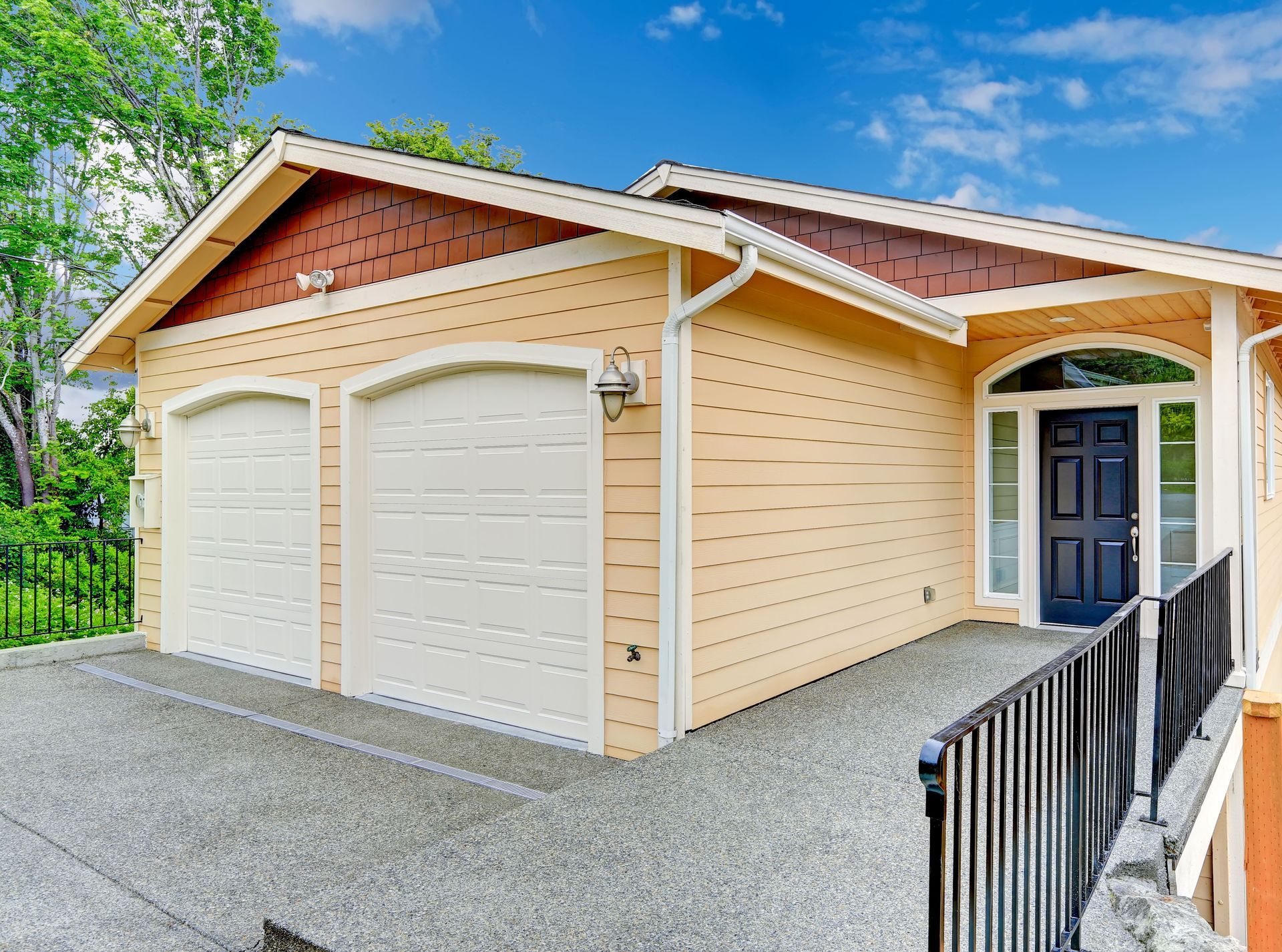
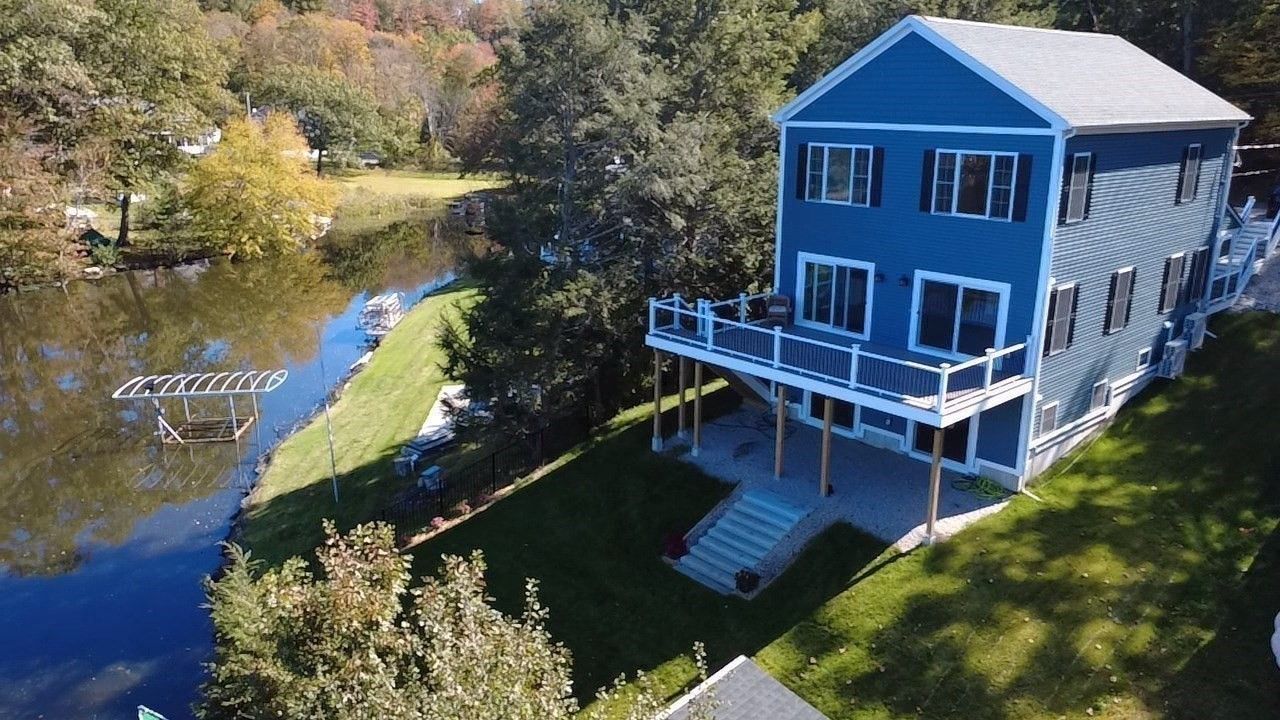
Exterior facades blend into any neighborhood aesthetic. Designers wrap structures in brick, stone, stucco, or contemporary metal siding. Rooflines feature dramatic pitches or modern flat designs. Porches and balconies attach to enhance outdoor living. Neighbors cannot distinguish factory-built residences from traditional houses. The visual integration elevates community property values. Curb appeal remains a top priority. Every exterior detail receives meticulous attention.
Additions and expansions remain possible in the future. Owners expand their living spaces as families grow. Flexible designs accommodate future module attachments. The underlying structural integrity supports creative renovations. This adaptability ensures long-term satisfaction. Buyers invest in a flexible framework capable of evolving alongside their changing lifestyle needs. The architecture grows with the residents. The original design allows for smooth structural transitions.
The Value of Exceptional Financial Affordability
Budget overruns plague traditional construction. Material costs fluctuate during long builds. Labor shortages trigger sudden price hikes. Weather delays incur additional carrying costs. Factory environments shield buyers from these financial surprises. Manufacturers purchase materials in massive quantities. These volume discounts pass straight to the consumer. Fixed-price contracts become the standard norm. Buyers avoid stressful financial adjustments mid-project. Budgets remain intact.
Predictable costs empower buyers to plan their finances with confidence. Mortgages finalize without sudden adjustments. According to Data Insights Market, the global market for modular houses is expected to reach $120.2 billion in 2026. This massive growth reflects shifting economic priorities. Consumers recognize the superior return on investment. Financial institutions offer attractive financing packages for these properties.
Reduced labor costs contribute to the overall savings. Factories employ specialized teams. These workers perform specific tasks with extreme efficiency. Assembly line dynamics reduce the total hours required per unit. The streamlined process cuts expensive hourly labor fees. These savings make homeownership accessible to a broader demographic. Economic barriers to entry fall. More people achieve their property ownership dreams.
Long-term maintenance costs remain low. Precise construction methods prevent common structural issues. Factory inspections catch minor flaws before walls close. Quality control supervisors monitor every phase of assembly. Superior craftsmanship translates into fewer future repairs. Owners keep extra money in their bank accounts over the lifespan of the property. The overall value proposition remains unbeatable. The financial benefits extend for generations.
The real estate market demands continuous evolution. Inefficiency and waste no longer dominate the industry. Factory-built residences provide a logical alternative to outdated practices. Speed, sustainability, customization, and affordability combine into an irresistible package. Modern consumers prioritize these exact qualities. Modular homes answer the call for progress. The shift feels permanent and necessary. Society moves toward intelligent construction solutions.
Future landscapes will feature these engineered masterpieces in every community. The stigma of prefabricated dwellings has vanished. Quality matches or exceeds traditional methods. Buyers embrace the certainty and elegance of off-site construction. The industry stands on the precipice of total transformation. Smart investments flow toward this innovative building methodology. A new era of residential living dawns. Homeownership becomes efficient and beautiful. Reach out to Heritage Modular Homes to start building your custom residence. Discover the incredible efficiency and value that modern modular homes offer.