October 9, 2026
Embarking on the journey of homeownership or residential construction presents prospective buyers with a fundamental decision regarding building methodologies. For generations, traditional site-built construction served as the primary standard for custom residential architecture. In site-built projects, raw materials, tradespeople, and equipment assemble on an exposed parcel of land, constructing the home piece by piece from the foundation up. However, modern technological advancements in off-site prefabrication have elevated modular construction into a sophisticated, highly efficient, and premium alternative.
Understanding the distinct differences between factory-engineered modules and traditional site-built structures empowers home buyers to make informed financial, structural, and architectural choices tailored to their lifestyle needs.
Comparing these two construction methodologies involves evaluating building timeline speeds, structural integrity, quality control standards, environmental impact, cost efficiency, and design customization capabilities. While site-built homes remain vulnerable to unpredictable weather delays, material degradation, and trade labor shortages, off-site construction operates within climate-controlled facility environments using advanced automated machinery. Each completed module is engineered to meet or exceed identical state, regional, and local building codes as traditional stick-built structures. Choosing a modern modular home allows prospective owners to enjoy rapid construction schedules, superior energy efficiency, and precision engineering without sacrificing architectural beauty or long-term property appreciation.
Accelerating Construction Timelines Through Parallel Engineering Workflow
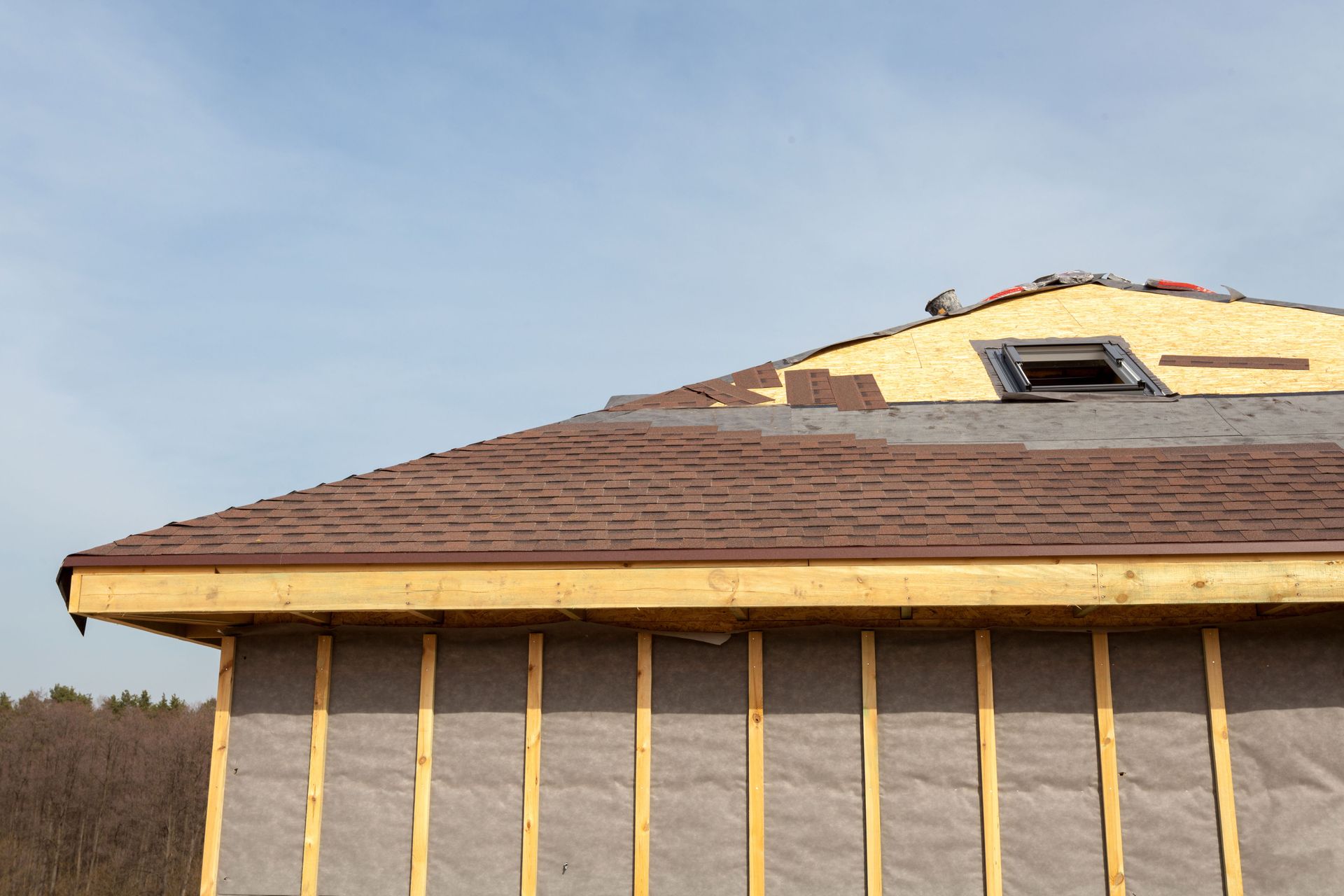
Accelerating the overall construction timeline represents one of the most significant advantages offered by off-site prefabrication over traditional stick-built projects. In site-built construction, project phases must occur sequentially; site clearing, excavation, foundation pouring, framing, roofing, and interior trade work must wait for preceding steps to finish. Weather interruptions, material delivery delays, and scheduling conflicts among subcontractors often extend site-built timelines over many months or years, creating financial stress for prospective homeowners.
Conversely, factory-engineered construction operates on a parallel workflow model where site preparation occurs simultaneously with off-site module assembly. While excavation crews clear land and pour the concrete foundation on site, skilled craftsmen assemble structural walls, integrate electrical wiring, install plumbing lines, and complete interior cabinetry inside a climate-controlled facility. According to the Urban Institute, modular homes also offer cost savings over site-built homes, costing between ten and twenty percent less, and they can be completed more quickly. Selecting a modular home significantly compresses overall construction schedules, allowing families to move into their dream residences months faster than traditional site-built timelines permit.
Eliminating Weather Damage During Indoor Precision Assembly
Protecting raw construction materials from rain, snow, humidity, and extreme temperature fluctuations remains an ongoing challenge for traditional site-built contractors. When lumber, drywall, insulation, and subflooring sit exposed on open job sites for extended periods, absorbed moisture can lead to wood warping, structural weakening, mold growth, and interior cosmetic defects before the roof is even fully secured. Remediating weather-damaged materials adds unexpected expenses and causes frustrating project delays for site-built prospective owners.
Off-site construction eliminates weather-related material degradation by building every structural component inside an enclosed, climate-controlled facility. High-grade lumber and building supplies remain dry, straight, and protected from environmental exposure throughout the entire fabrication process. Precision automated equipment ensures exact cutting, tight joints, and perfectly square framing that traditional field assembly struggles to match. Investing in a modular home guarantees that structural components remain pristine, dry, and structurally sound from initial assembly through final site placement.
Strengthening Structural Integrity for Long-Distance Transportation
Strengthening structural framing becomes an absolute engineering necessity for off-site modules, as each volumetric section must endure crane lifting and highway transportation to the final building site. To withstand high-speed wind resistance, vibration, and dynamic kinetic stress during transport, prefabricated modules are engineered with significantly more structural framing lumber, specialized adhesives, and heavy-duty mechanical fasteners than typical site-built homes require.
While site-built homes rely on standard field nailing patterns and minimal temporary bracing, off-site modules feature glued and screwed drywall, double-ring joists, and reinforced corner posts. Once delivered to the job site, modules lock together seamlessly on the permanent concrete foundation, forming an incredibly rigid, double-walled structure. Building a modular home results in an exceptionally durable building envelope that demonstrates superior resistance against severe storms, high wind events, and natural seismic activity compared to traditional stick-built alternatives.
Elevating Quality Control Standards Through Factory Inspections
Elevating quality control standards requires rigorous inspection protocols that are far easier to enforce inside an automated manufacturing facility than on an open, chaotic building site. Site-built construction relies on periodic visits from municipal building inspectors who check work only after specific phases finish, often missing concealed defects inside wall cavities or beneath subflooring.
Furthermore, varying skill levels among rotating field subcontractors can create inconsistencies in craftsmanship across different areas of a site-built project.
Off-site prefabrication facilities operate under strict, multi-tiered quality assurance programs monitored by third-party inspection agencies and dedicated in-house quality engineers. Master tradespeople execute electrical wiring, plumbing runs, insulation fitting, and finish carpentry at ergonomic work stations equipped with specialized jigging tools and laser guidance systems. Every phase undergoes thorough documentation and testing before modules depart the factory floor. Ordering a modular home ensures that your residence adheres to uncompromising engineering standards, guaranteeing consistent craftsmanship across every square foot of living space.
Enhancing Energy Efficiency Through Airtight Thermal Envelopes
Enhancing thermal efficiency and reducing long-term utility expenses represent ongoing priorities for modern homeowners seeking sustainable living solutions. Traditional site-built homes often suffer from minor air leakage around wall joints, window rough openings, and rooflines due to manual framing inconsistencies and field-applied insulation gaps. These drafty air leaks force heating and cooling equipment to work harder, driving up monthly energy bills and compromising indoor thermal comfort.
Factory-engineered modules excel in thermal performance due to precision automated assembly that creates exceptionally tight building envelopes. State-of-the-art air sealing techniques, high-density insulation materials, precision-fitted energy-efficient windows, and continuous exterior thermal barriers are applied under ideal indoor conditions. Minimizing unwanted thermal transfer and air infiltration reduces heating and cooling demands year-round. Designing a modular home creates a tight, highly efficient thermal barrier that lowers monthly utility costs, supports indoor climate consistency, and reduces your overall environmental footprint.
Customizing Architectural Designs Without Compromising Structural Polish
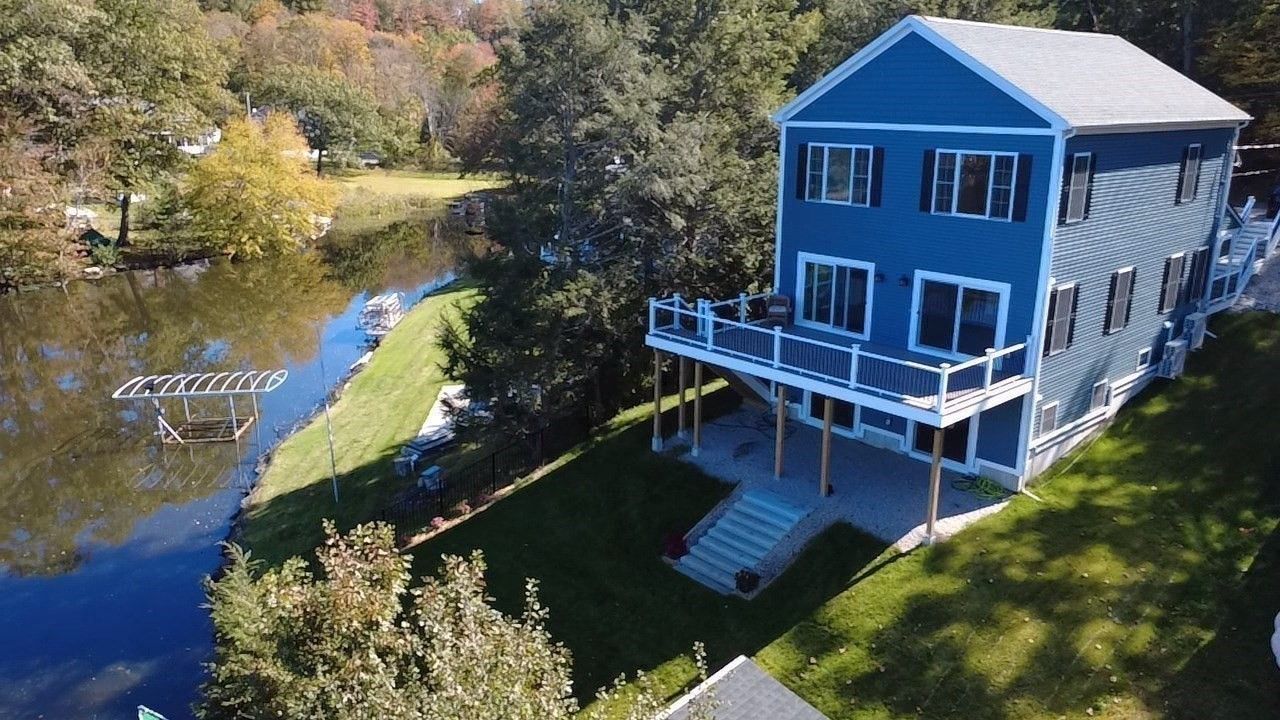
Customizing layout floor plans, architectural styles, and interior finishes allows home buyers to express personal taste and accommodate specific lifestyle requirements. Misconceptions sometimes lead prospective buyers to believe that off-site construction yields rigid, repetitive box designs with limited aesthetic choices. In reality, modern factory-engineered architecture offers near-limitless design flexibility, spanning grand multi-story colonial designs, sleek contemporary layouts, charming coastal cottages, and sprawling ranch estates.
Advanced computer-aided design software enables engineers to customize room dimensions, ceiling heights, window configurations, roof pitches, and interior finishes to match exact homeowner preferences. Buyers choose from expansive selections of luxury cabinetry, quartz countertops, designer flooring, custom siding options, and architectural trim details. Choosing a modular home combines the personal design freedom of a custom site-built architecture project with the financial predictability, rapid execution, and structural excellence of advanced factory manufacturing.
At Heritage Modular Homes, we are deeply committed to turning your residential dreams into reality through master technical craftsmanship, cutting-edge off-site engineering, and dedicated customer care. Our team of experienced design consultants, project managers, and master builders brings deep industry knowledge, advanced factory precision, and meticulous attention to detail to every custom home project we execute across our community. We take immense pride in guiding you through every phase of the building process, from initial architectural floor plan customization and material selection to site preparation, module setting, and final interior finishing touches. We carefully inspect every structural seam, utility connection, and cosmetic detail to guarantee that your custom residence exceeds expectations in energy efficiency, structural strength, and timeless beauty. Contact us today to schedule your private design consultation and discover the true advantages of building your future with dedicated local specialists.