October 8, 2026
The popularity of modular home builders has been steadily increasing in recent years. This trend can be attributed to various factors, including their cost-effectiveness, environmental benefits, and customization options. Let's delve into the various aspects that make modular homes appealing to new buyers.
Economical Advantages of Modular Homes
Cost-Effective Construction
Modular homes are generally more cost-effective than traditional homes. This is because they are built in a factory setting, which reduces costs related to labor, material supply, and time. The controlled environment allows for better management of resources and reduces waste, further cutting expenses. In addition, bulk purchasing of materials for multiple homes at once can lead to significant discounts, lowering the overall cost per unit. Consequently, modular homes provide excellent value for new buyers, especially for those on a tight budget.
Energy Efficiency
Energy efficiency is another economic advantage of modular homes. These homes are often designed with superior insulation and airtightness, which results in reduced energy consumption for heating and cooling. In turn, this lowers utility bills for homeowners, providing long-term financial savings. Additionally, the incorporation of energy-efficient appliances and solar panels can further enhance these savings. For buyers mindful of both environmental impact and cost, this is a significant selling point.
Potential for Resale Value
The resale value of modular homes tends to be strong due to their durability and modern amenities. Many modular homes are built to last, using high-quality materials and advanced construction methods. This ensures that they maintain their condition and appearance over time, which is crucial for resale value. Furthermore, as eco-friendly and energy-efficient features become more desirable, homes with these attributes become more attractive to future buyers. Thus, investing in modular home builders can be a financially sound decision for the long term.
Customizability and Design Flexibility
Variety of Style Options
Modular home builders offer a wide range of style options, appealing to diverse aesthetic preferences. Buyers can choose from traditional, modern, or even hybrid designs to suit their taste. This flexibility extends to interior design, where options for finishes, fixtures, and layouts can be tailored to individual needs. Such customization enables buyers to create a home that truly reflects their personal style. Modular home manufacturers typically offer a portfolio of designs that can be further personalized, enhancing the home's unique value.
Adaptability to Personal Preferences
Beyond style, modular homes can be adapted to fit specific functional needs. Whether a buyer desires an open plan living area or additional rooms, modular designs can accommodate these preferences. This adaptability allows homeowners to design spaces that cater to their lifestyle choices, such as home offices or hobby rooms. Importantly, these modifications can be made without compromising the structural integrity of the home. This degree of personalization ensures that each modular home is distinctly suited to its occupants.
Incorporating Modern Technologies
Modular homes are at the forefront of integrating modern technologies into residential building. Home automation systems, energy management tools, and smart home features can be seamlessly integrated into the building process. These technologies enhance comfort, security, and efficiency, offering a futuristic living experience. As technology continues to evolve, modular homes can be updated to incorporate the latest advancements. Buyers interested in staying ahead of technological trends find this aspect particularly appealing.
Time Efficiency in the Building Process
Shorter Construction Period
One of the most significant advantages of modular homes is the reduced construction time. The pre-fabricated nature of these homes means they can be assembled by modular home builders in a fraction of the time it takes to build a traditional home. In fact, according to Talent Traction, modular homes can be constructed 40% faster than traditional homes.
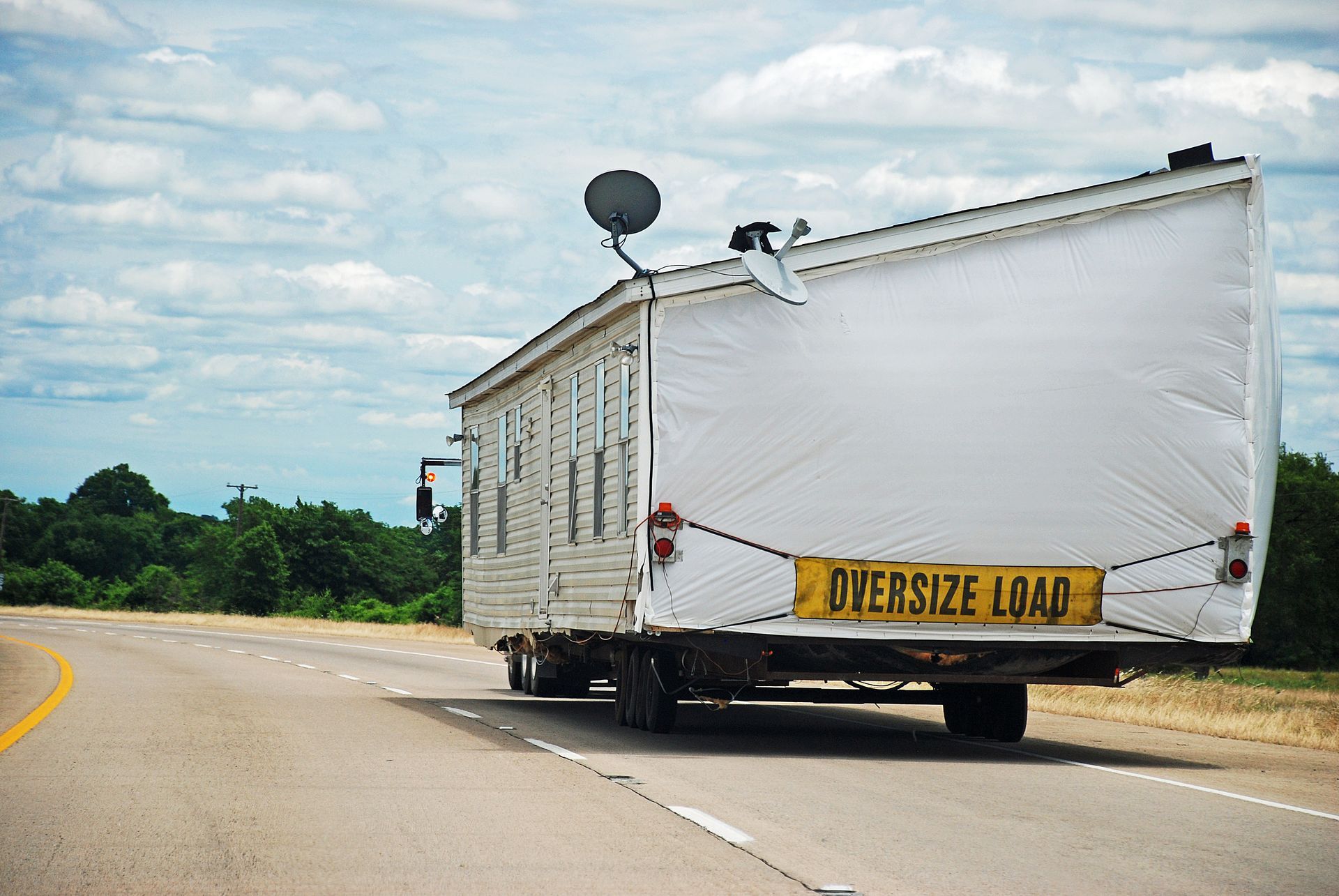
Once the individual sections are completed in the factory, they are quickly transported and assembled on-site. This efficiency allows homeowners to move in sooner and reduces the costs associated with prolonged construction timelines. For many new buyers, this expedited process is a key factor in choosing modular homes.
Weather-Related Delays Minimization
Weather is a common cause of delays in traditional construction projects, affecting timelines and budgets. However, because modular homes are built indoors within a controlled environment, weather-related disruptions are minimized. This ensures that construction schedules remain on track and reduces the risk of weather damage to construction materials. As a result, both modular home builders and buyers experience less uncertainty and stress during the construction process. This consistency presents significant benefits for projects subject to strict deadlines.
Streamlined Project Management
Building modular homes involves a streamlined project management approach, integrating design, manufacturing, and construction processes. This coordination ensures that all aspects of the build are aligned, reducing the likelihood of misunderstandings or errors. A centralized system facilitates better communication among architects, modular home builders, and clients, leading to a smoother project flow. Consequently, issues can be swiftly identified and resolved, maintaining momentum. This efficiency benefits both the builders and buyers, delivering a more predictable and satisfying outcome.
Quality and Durability
Rigorous Quality Control
Quality control in modular home construction is exceptionally rigorous given the precision required in factory environments. Each module undergoes thorough inspection and testing to ensure it meets industry standards before being transported to the site. This meticulous attention to detail ensures that all components are defect-free and built to last. Such quality assurance provides homeowners with confidence in their investment, knowing their home has been constructed to the highest standards. Rigorous inspections continue as modules are combined on-site, preserving quality throughout the process.
Usage of Robust Materials
Modular homes are built using robust materials specifically chosen for their strength and durability. These materials often exceed those used in traditional construction, as they need to withstand the rigors of transportation. From heavy-duty drywall to reinforced frames, such strength ensures that homes are not only durable but also safe. The choice of materials also contributes to the overall longevity of the home, making it a worthwhile investment. As a result, buyers can enjoy peace of mind regarding their home's endurance and safety.
Enhanced Longevity and Safety
Longevity and safety are critical considerations in home construction, and modular homes excel in these areas. Advanced engineering standards and state-of-the-art construction technologies contribute to the durability of these homes. Safety features, such as fire-resistant materials and secure anchoring systems, are often standard in modular designs. This commitment to safety extends to increased resistance against natural disasters, such as hurricanes and earthquakes. For buyers seeking a resilient living space, these features markedly improve the desirability of modular homes.
Regulatory and Zoning Benefits
Ease of Permitting
Permitting is often a complex hurdle in traditional construction processes, but modular homes benefit from streamlined approvals. Due to their pre-fabricated nature, many components have already been inspected and vetted in the factory setting. This pre-approval eases the permitting burden, as local inspectors often need to focus only on the site-specific conditions. Additionally, modular home builders typically have established rapport with local authorities, facilitating a smoother process. These efficiencies can sharply reduce the time and complexity typically associated with permitting new construction.
Compliance With Building Codes
Compliance with building codes is a critical aspect of any construction project, and modular homes are subjected to stringent checks. Assembling homes within a factory allows for better adherence to national, state, and local building codes. Each module is built to the same high standards required for traditional homes, and sometimes even higher. This ensures that buyers do not compromise on quality or safety, while also enjoying expedited compliance processes. This robust compliance boosts buyer confidence and simplifies regulatory approvals.
Zoning Flexibility
Modular homes often benefit from greater zoning flexibility compared to traditional construction. This flexibility is partly because modular homes can be disassembled, potentially easing zoning concerns regarding permanence. Additionally, their adaptable designs make them suitable for a wide range of settings, from urban to rural locales. Local governments are increasingly recognizing the versatility and efficiency of modular homes, updating zoning laws to accommodate them. This adaptability ensures modular homes can meet diverse community planning needs, making them a versatile choice for builders and buyers alike.
Modular home builders offer an attractive option for new buyers, combining cost-efficiency and design innovation. As they continue to evolve with technological advancements and industry trends, they are poised to become an even more significant segment of the residential construction market. If you're interested in modular homes, reach out to the experts at Heritage Modular Homes today.