May 12, 2026
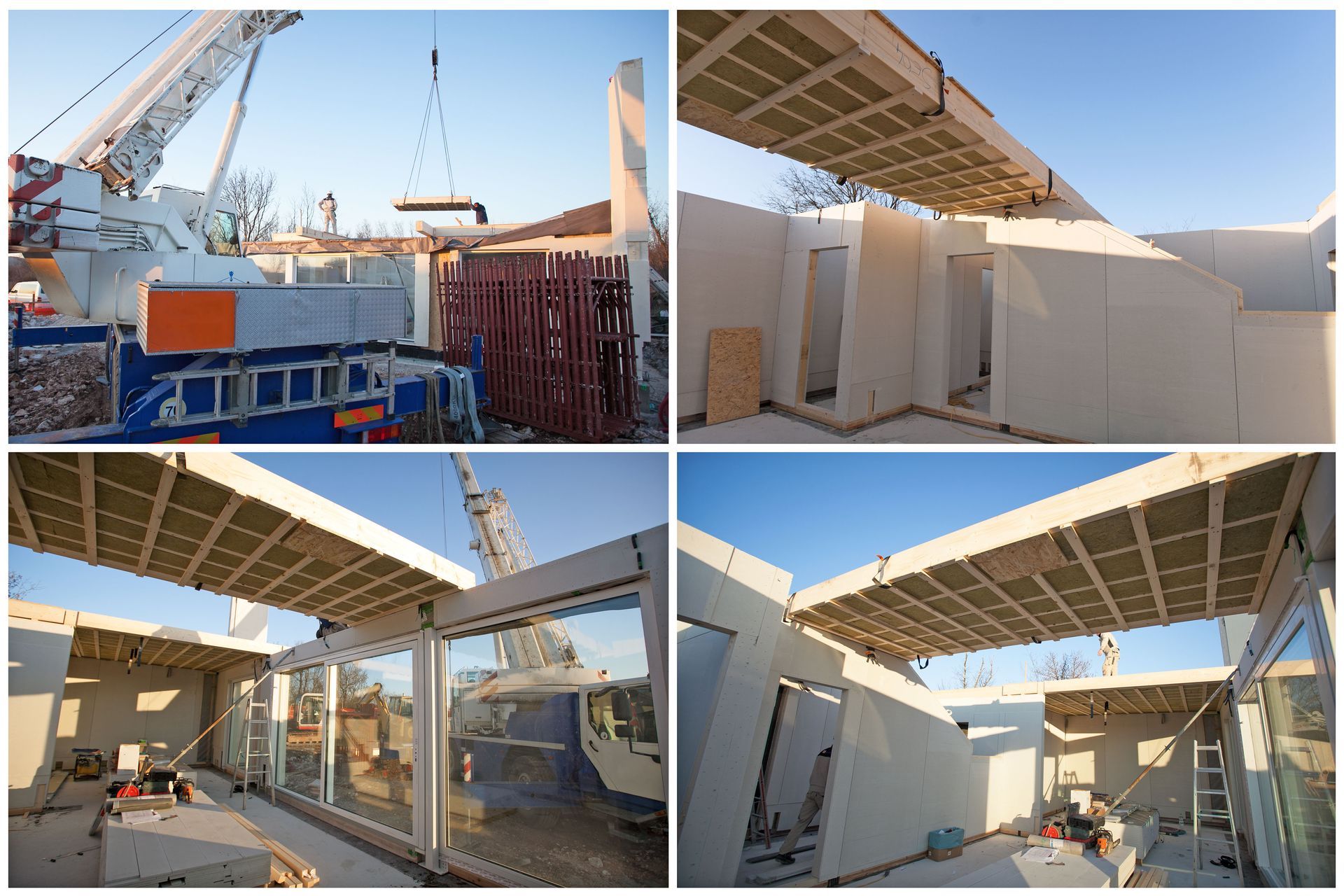
The housing industry is changing as buyers look for faster, more efficient, and more affordable ways to build homes. Traditional construction often involves long timelines, weather delays, and rising material costs that make planning difficult. Modular building offers a more controlled approach that helps reduce many of these common challenges. Homes are built in sections inside a factory and then assembled on-site. This method improves consistency and reduces unpredictable delays.
This building approach is helping solve common issues like cost overruns, long delays, and material waste. As more buyers explore alternatives, modular construction continues to stand out as a practical solution for modern housing needs. As interest grows, many people are now considering local modular homes as a practical alternative to traditional construction. This shift shows how expectations in housing are evolving toward efficiency and reliability.
Reducing Construction Timelines and Project Delays
One of the biggest advantages of modular building is the shorter construction timeline. Since most work is done indoors, the weather does not slow down progress. This allows site preparation and home construction to happen at the same time. Traditional builds usually follow a step-by-step process that takes much longer to complete. Modular systems allow multiple stages to move forward simultaneously. Many local modular homes can be completed significantly faster than conventional houses. This speed is especially useful in areas where housing demand is high and supply is limited.
Improving Cost Predictability and Budget Stability
Cost control is a major concern for anyone building a home. Traditional construction often leads to unexpected expenses caused by delays or material changes. Modular construction helps reduce this uncertainty by standardizing production. Materials are purchased in bulk and used more efficiently, which reduces waste. Labor costs are also more stable because the process is streamlined. This makes budgeting easier for homeowners from the start. Many local modular homes provide clearer pricing compared to traditional builds. This financial predictability is one of the reasons more buyers are choosing this option.
Enhancing Quality Control Through Factory Precision
Quality control is a major advantage of modular construction. Each section of the home is built in a controlled environment with strict standards. This reduces the risk of errors that can happen on outdoor job sites. Materials are protected from weather damage during construction. Each stage is inspected to ensure consistency and strength. This process helps improve overall build quality and reliability. Many local modular homes benefit from this controlled production environment. The result is often a more consistent and durable structure.
Expanding Design Flexibility and Custom Options
Modern modular homes are not limited in design as many people once believed. Buyers can choose from a wide range of layouts, styles, and finishes. This allows homeowners to create spaces that match their personal preferences. Customization can include floor plans, exterior design, and interior features. Even future expansions can be planned during the design stage. This flexibility makes modular construction appealing to many different types of buyers. Local modular homes today often include modern designs that match traditional custom-built houses. This makes them a strong option for personalized living spaces.
Supporting Environmental Sustainability and Waste Reduction
Sustainability is becoming more important in construction decisions. Modular building helps reduce waste by using materials more efficiently in factory settings. Leftover materials are often recycled or reused. This reduces the amount of construction waste sent to landfills. Controlled environments also prevent weather damage to materials. This improves overall resource efficiency during the build process. According to World Metrics, interest in modular housing in the U.S. has grown significantly, with 35% of homebuyers interested in modular homes compared to 22% in 2020. This increase reflects growing awareness of sustainable housing options.
Addressing Labor Shortages in the Construction Industry
The construction industry continues to face labor shortages in many regions. This can slow down traditional building projects and increase costs. Modular construction helps reduce this problem by moving much of the work into factories. Skilled labor is used more efficiently in controlled environments. On-site work is mostly limited to assembly and finishing tasks. This improves productivity and reduces delays. Many local modular homes are completed with fewer on-site workers compared to traditional builds. This makes the construction process more stable and predictable.
Increasing Energy Efficiency and Long-Term Savings
Energy efficiency is an important factor for modern homeowners. Modular homes are often built with strong insulation and energy-saving materials. Tight construction helps reduce air leaks and improve temperature control. This leads to lower heating and cooling costs over time. Energy-efficient windows and systems are often included in the design. These features help reduce monthly utility bills. Many homeowners choose local modular homes because of these long-term savings. Energy efficiency also improves overall comfort inside the home.
Strengthening Structural Durability and Safety Standards
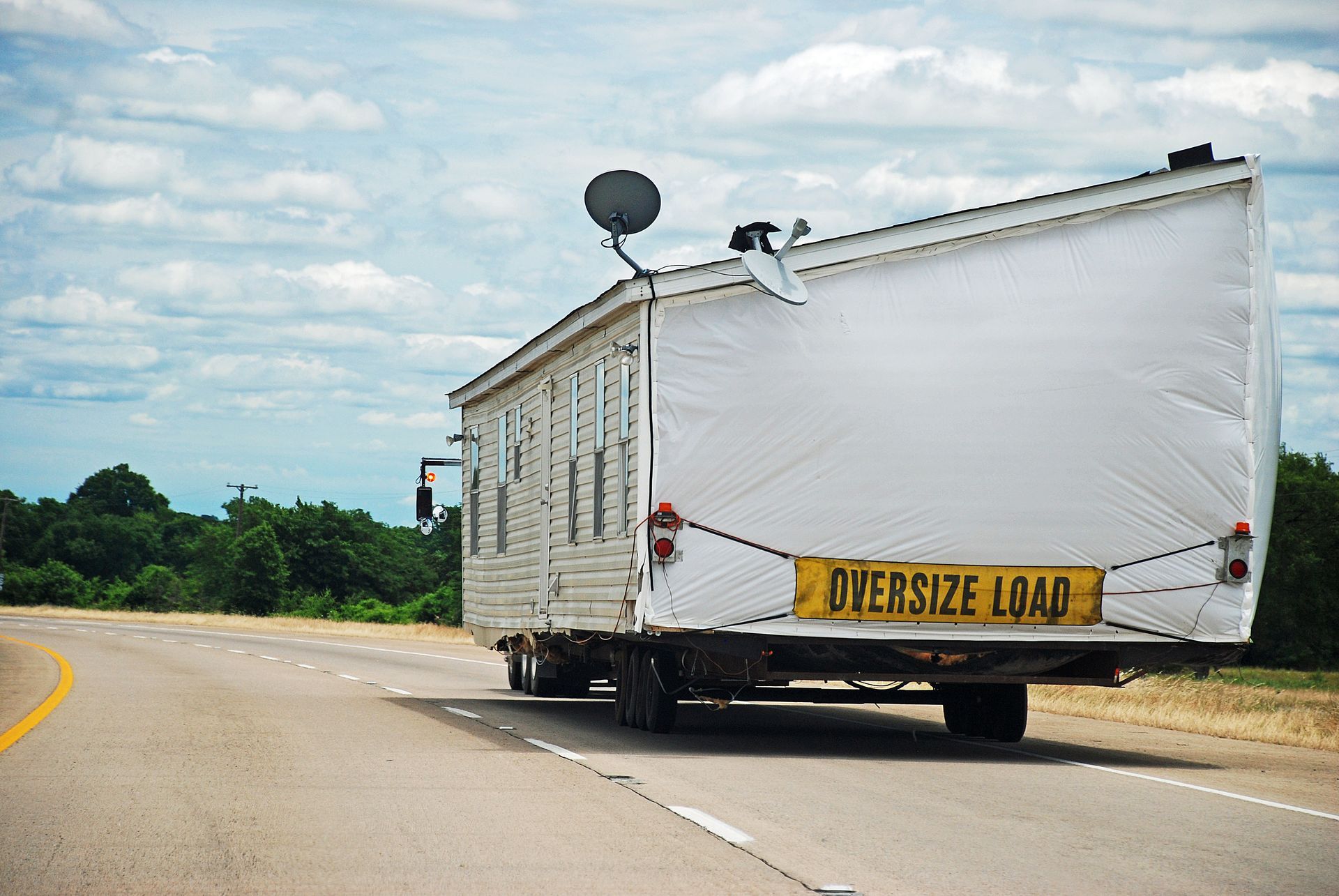
Modular homes are built to meet strict safety and building standards. Each section is designed to withstand transportation and installation. This often results in strong and durable structures. Quality checks are done throughout the entire building process. This ensures that each part meets required standards. Many local modular homes are built to be just as strong as traditional homes. In some cases, they may even be stronger due to factory precision and reinforced construction methods. Safety remains a top priority in modular design.
Expanding Housing Accessibility and Affordability
Housing affordability is a major issue in many areas. Modular construction helps reduce costs by improving efficiency and reducing waste. This makes homeownership more accessible to more people. Faster construction also helps increase housing supply. This can help balance demand in growing communities. Many buyers explore local modular homes because they offer both value and quality. This combination makes them an appealing option for first-time buyers and families. Modular housing helps address gaps in the housing market.
Understanding Market Demand and Growing Interest
Interest in modular housing continues to rise as more people learn about its benefits. Buyers are attracted to faster timelines, lower costs, and flexible designs. The housing market is gradually shifting toward more efficient building methods. Modular construction is becoming more widely accepted as a standard option. According to World Metrics, 35% of homebuyers in the United States are now interested in modular homes, up from 22% in 2020. This shows a clear increase in demand over time. More builders are now offering modular options to meet this growing interest.
Modular construction is changing the way homes are built by solving many common challenges in the housing industry. It offers faster build times, better cost control, and improved quality consistency. It also supports sustainability and helps address labor shortages in construction. As demand continues to grow, modular housing is becoming a more mainstream option for buyers. Many people now see it as a practical and reliable alternative to traditional building methods. The flexibility and efficiency of this approach make it appealing across different markets. Modular homes are helping shape the future of residential construction in a meaningful way.
As more communities adopt modular building practices, the housing landscape is expected to become more efficient and accessible. Continued innovation in this space will likely further improve quality, affordability, and sustainability for future homeowners. Discover modern building solutions with Heritage Modular Homes. Our team specializes in designing high-quality local modular homes that combine efficiency, durability, and customization. Contact Heritage Modular Homes today to start planning a smarter and more efficient way to build your home.